
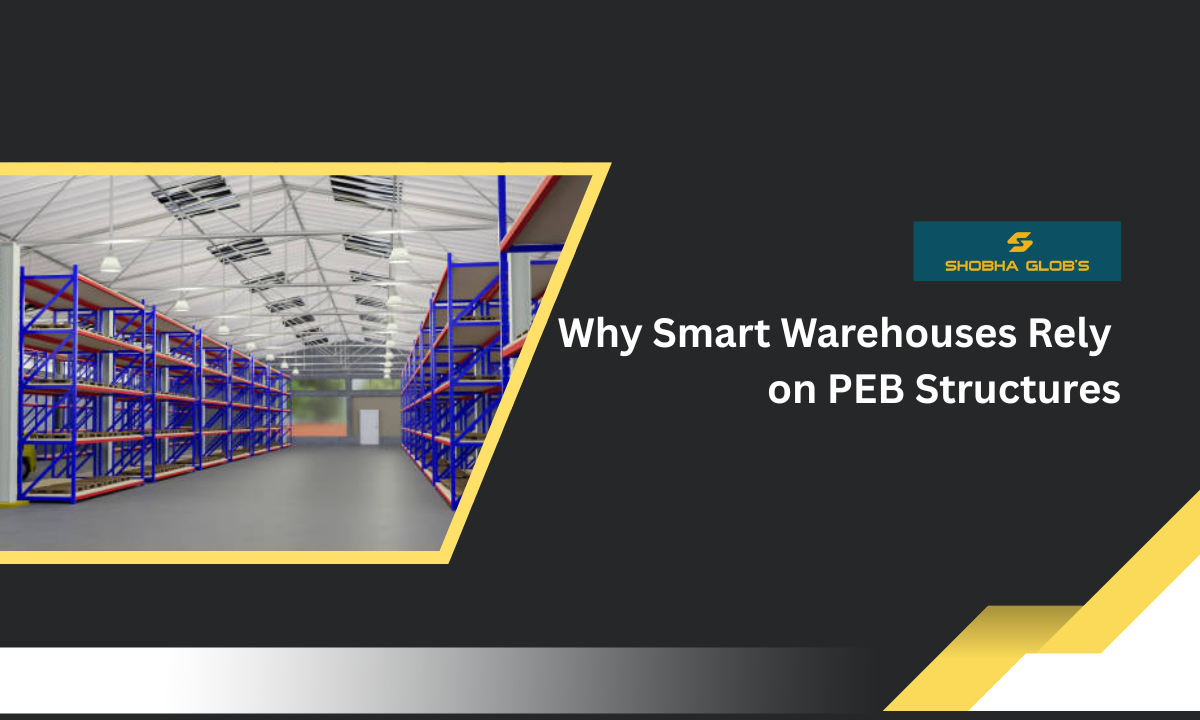
PEB structures have revolutionized the way we approach modern warehousing solutions in today’s fast-paced logistics industry. As businesses demand quicker turnaround times and cost-effective building solutions, the shift toward pre-engineered buildings has become inevitable.
We have witnessed firsthand how traditional construction methods often fall short when it comes to meeting the dynamic needs of smart warehousing. That’s where partnering with experienced pre-engineered building manufacturers in Bangalore makes all the difference in creating efficient storage facilities.
But what makes these structures the backbone of intelligent warehousing systems? Keep reading to understand.
The Speed Advantage of PEB Infrastructure
Time is money in the warehousing business, and PEB infrastructure delivers exactly that.
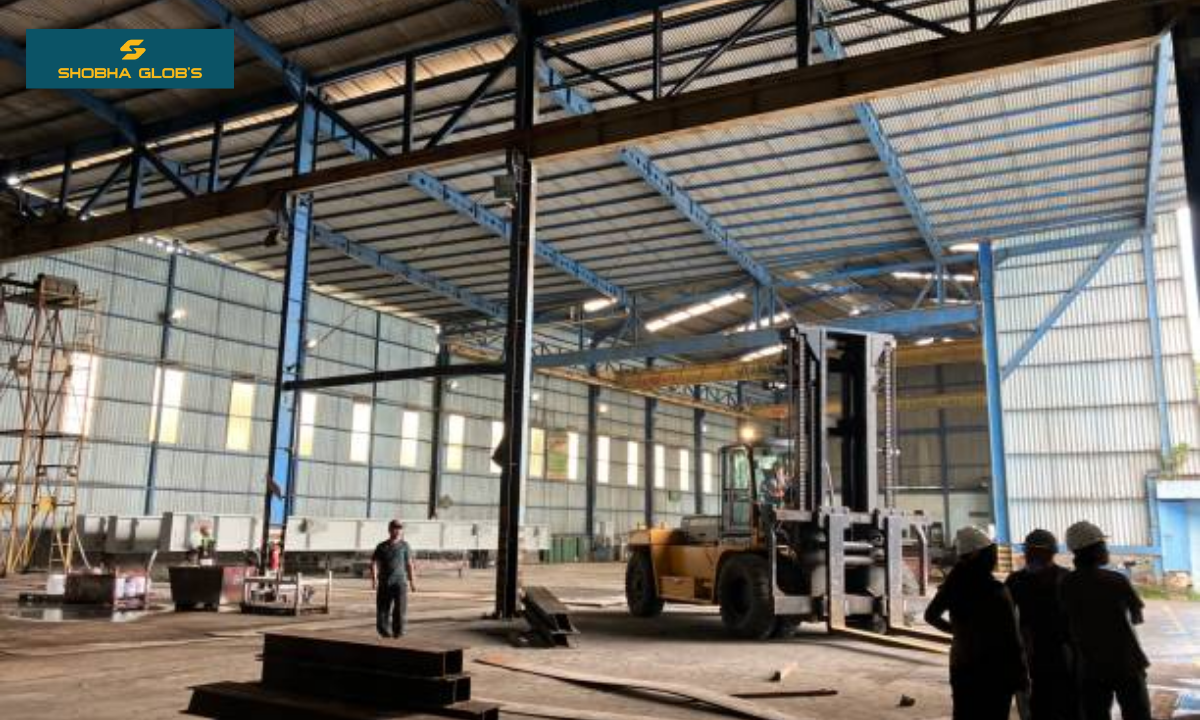
We can have a fully functional warehouse ready in half the time it takes for conventional construction. The components are fabricated in controlled factory environments while site preparation happens simultaneously.
This parallel approach eliminates weather-related delays and reduces on-site construction time dramatically. Smart warehouses need to be operational quickly to serve supply chain demands, and PEB structures make this possible.
Cost Efficiency That Makes Business Sense
Let’s talk numbers because that’s what matters to warehouse operators.
PEB structure plan implementations typically cost 30-40% less than traditional buildings. We save on labor costs, reduce material wastage, and minimize construction time expenses.
The lightweight steel framework requires less foundation work, cutting down on one of the most expensive aspects of construction. Additionally, the precision manufacturing process ensures minimal material wastage compared to conventional methods.
Energy efficiency is another cost-saving aspect. With proper insulation and design considerations, PEB warehouses maintain optimal temperatures with lower HVAC costs.
Understanding PEB Structure Components
The beauty of PEB lies in its simplicity and efficiency of design.
PEB structure components include primary frames made of welded built-up sections, secondary members like purlins and girts, and roof and wall panels. Each component is manufactured to exact specifications using advanced software.
The main framing consists of columns and rafters that form the skeleton of the building. Secondary framing elements provide support for roof and wall panels while maintaining structural integrity.
Accessories like doors, windows, ventilators, and gutters are integrated seamlessly into the design. This modular approach allows for easy future expansions when your warehousing needs grow.
Design Flexibility for Smart Operations
Smart warehousing requires adaptable spaces, and that’s where the design of PEB structure truly shines.
We can create column-free spans of up to 90 meters, providing maximum usable floor space for storage and automation systems. This open layout is perfect for installing modern material handling equipment and robotics.
The structures can accommodate overhead cranes, mezzanine floors, and specialized loading docks. We’ve designed warehouses with clear heights exceeding 15 meters to optimize vertical storage capacity.
Modular expansion is another significant advantage. As your business grows, we can extend the building longitudinally without disrupting existing operations.
Detailed Planning Makes the Difference
Getting PEB structure details right from the beginning ensures long-term success.
We start with soil testing and site analysis to determine foundation requirements. Load calculations consider not just the building itself but also storage loads, equipment weight, and environmental factors.
Wind and seismic considerations are incorporated into every design. Pre-engineered building manufacturers in Bangalore understand local climatic conditions and design accordingly.
The detailed engineering includes connection designs, anchor bolt layouts, and erection sequences. We provide comprehensive drawings that leave nothing to chance during construction.
Integration with Solar Power Systems
Modern smart warehouses are increasingly becoming energy-independent.
The robust roof structure of PEB buildings is ideal for solar panel installations. We’ve collaborated with many solar EPC company in India to create net-zero energy warehouses.
The roof design can be optimized for solar panel angles, ensuring maximum energy generation. The structural capacity is planned upfront to accommodate solar panel loads without retrofitting challenges.
This integration reduces operational costs significantly while meeting sustainability goals. Many of our clients have achieved ROI on solar installations within 4-5 years.
Why Location Matters for PEB Construction
Choosing the right manufacturing partner impacts project success tremendously.
Working with pre-engineered building manufacturers in Bangalore offers distinct advantages for projects across South India. Proximity reduces transportation costs and ensures faster delivery of components.
Local manufacturers understand regional building codes, weather patterns, and seismic zones better. They can provide quicker after-sales support and maintenance services when needed.
The established supply chain networks in Bangalore ensure quality raw materials and timely project completion.
Technology Integration in Smart PEB Warehouses
Smart warehousing isn’t just about the building; it’s about the technology within it.
PEB structures easily accommodate IoT sensors, automated storage systems, and warehouse management software infrastructure. Cable trays, conduit systems, and equipment platforms are integrated during the design phase.
The flexible interior allows for easy reconfiguration as technology evolves. We have designed warehouses where entire sections can be repurposed without structural modifications.
Climate control systems, fire suppression networks, and security systems integrate seamlessly with the building design. This holistic approach creates truly intelligent storage facilities.
Sustainability and Environmental Benefits
Green building practices are no longer optional; they are essential.
Steel used in PEB structures is 100% recyclable, making it an environmentally responsible choice. The precision manufacturing process generates minimal construction waste.
Better insulation properties reduce energy consumption for heating and cooling. Natural lighting options through translucent panels decrease dependence on artificial lighting.
The reduced construction time means less environmental disruption at the site. Sustainable construction practices benefit both businesses and the environment in the long run.
Final Thoughts
Smart warehousing and PEB structures are a perfect match for today’s logistics demands. The combination of speed, cost-efficiency, flexibility, and sustainability makes pre-engineered buildings the obvious choice for modern warehouses.
As supply chains become more complex and e-commerce continues to grow, the need for intelligent storage solutions will only increase. Partnering with experienced pre-engineered building manufacturers in Bangalore ensures your warehousing project is built on a foundation of expertise and quality.
At Shobha Globs Solar EPC company in India, we understand that modern warehouses need more than just four walls; they need intelligent infrastructure that grows with your business. We believe the future of warehousing is pre-engineered, and the time to embrace this technology is now.
Frequently Asked Questions
Q: How long does it take to construct a PEB warehouse?
A: Typically, a PEB warehouse can be completed in 4-6 months, which is 50% faster than conventional construction methods.
Q: Are PEB structures durable enough for long-term use?
A: Absolutely. With proper maintenance, PEB structures can last 50+ years and withstand harsh weather conditions when designed correctly.
Q: Can PEB warehouses be expanded later?
A: Yes, one of the biggest advantages of PEB is easy expansion. Buildings can be extended longitudinally with minimal disruption to existing operations.
Q: What is the typical cost saving with PEB construction?
A: Businesses typically save 30-40% on overall project costs compared to conventional construction methods.