
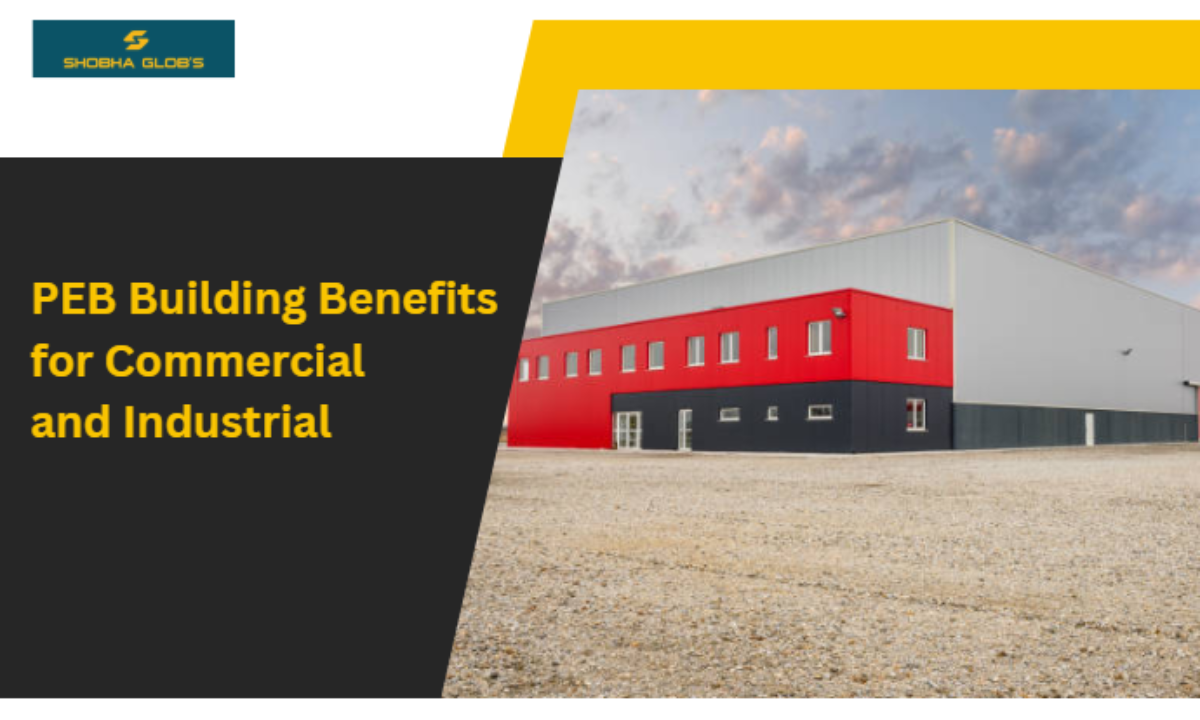
PEB building solutions have become the preferred choice for industries and businesses seeking efficient, cost-effective construction options. This modern building approach is reshaping how companies think about their infrastructure needs.
We have witnessed a remarkable transformation in the construction landscape over the past decade. More businesses are choosing pre-engineered building design over traditional construction methods for valid reasons.
The advantages span financial savings, construction speed, design flexibility, and long-term performance. Partnering with experienced pre-engineered building manufacturers in Bangalore ensures you maximize these benefits from day one. But what makes PEB buildings so compelling for industrial and commercial applications? Let’s see.
What is a Pre-Engineered Building?
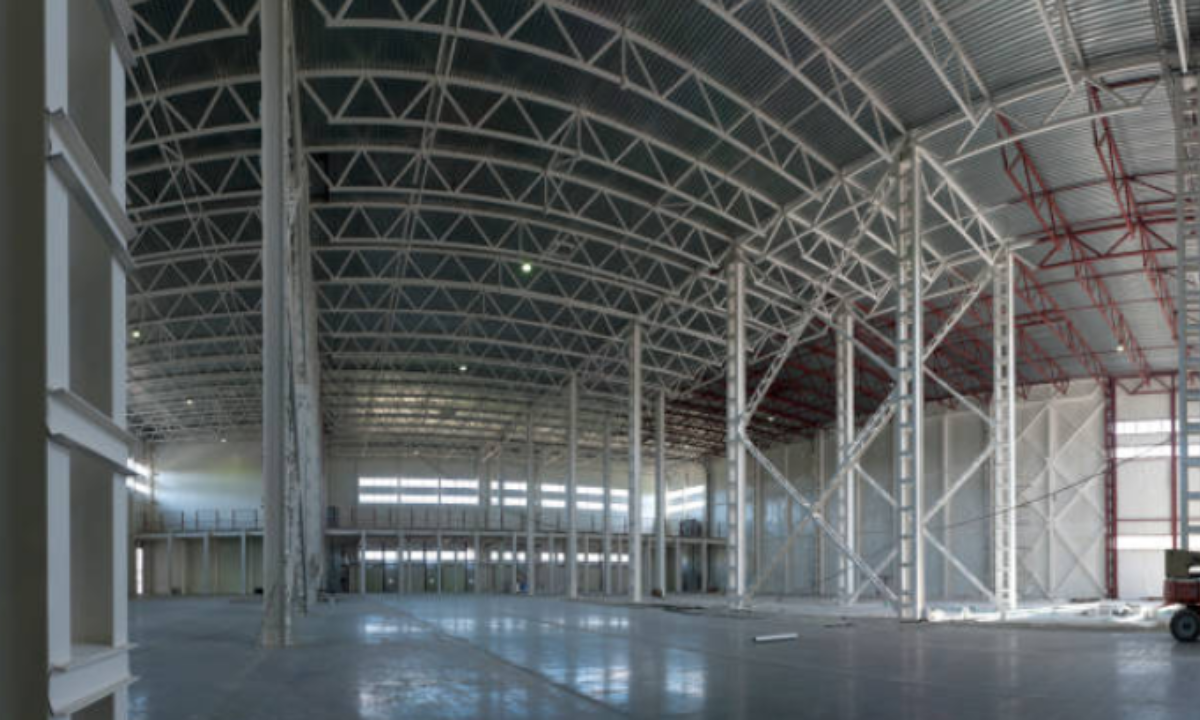
Before exploring benefits, let’s clarify what we are discussing. What is a pre-engineered building technology, and why does it matter?
A PEB is a steel building where structural components are designed and fabricated in a factory and then assembled on-site. Every element is precisely engineered using advanced software for optimal performance.
This approach differs fundamentally from conventional construction. Instead of building everything on-site, major components arrive ready for quick assembly.
The precision manufacturing ensures consistent quality that’s difficult to achieve with traditional methods.
Cost Savings That Impact Your Bottom Line
Let’s talk about the most compelling benefit: significant cost reduction. PEB building structures deliver savings across multiple dimensions.
Initial construction costs are 30-40% lower compared to conventional buildings. This comes from optimized material usage, reduced labor requirements, and faster completion.
We’ve seen businesses recover their investment much faster with PEB construction. The reduced project timeline means earlier occupancy and revenue generation.
Operational costs remain lower throughout the building’s life. Steel structures require minimal maintenance compared to concrete buildings that need regular repairs.
Energy efficiency is another hidden saving. Proper insulation in PEB buildings reduces heating and cooling costs significantly, cutting utility bills by 20-30%.
Quick Construction Timeline
Time is money in business, and PEB construction delivers exceptional time savings. Traditional buildings take 12-18 months, while PEB projects are completed in 3-5 months.
Factory fabrication happens simultaneously with site preparation. This parallel workflow eliminates the sequential delays common in conventional construction.
We’ve observed that weather-related delays are minimal. Since major fabrication occurs in controlled factory environments, rain or extreme temperatures don’t halt progress.
Quick assembly means faster occupancy. Your business starts generating returns months earlier than with traditional construction approaches.
Design Flexibility and Expansion Capability
Industrial PEB building solutions offer remarkable design flexibility. Clear spans up to 90 meters are achievable without intermediate columns.
This open space is invaluable for warehouses, manufacturing units, and logistics centers. You can optimize floor space usage without structural obstructions.
We love how easily PEB buildings accommodate future expansions. The modular design allows adding length, width, or height with minimal disruption.
Mezzanine floors, overhead cranes, and specialized equipment integrate seamlessly into the structure. Aesthetic flexibility allows various architectural finishes to match your brand identity.
Superior Strength and Durability
Don’t let the quick construction fool you; PEB building structures are incredibly strong and durable. Engineered steel provides excellent strength-to-weight ratios.
These buildings withstand extreme weather conditions, including high winds, heavy snow loads, and seismic activity. The structural design accounts for all local environmental factors.
We’ve seen PEB buildings perform exceptionally during natural disasters. The flexibility of steel allows some movement without structural failure, unlike rigid concrete structures.
Corrosion protection through galvanizing and coating ensures decades of trouble-free service. With proper maintenance, PEB buildings easily last 50+ years.
Sustainability and Environmental Benefits
Modern businesses care about environmental impact, and PEB construction scores high on sustainability metrics.
Steel is 100% recyclable and can be reused indefinitely without quality loss. At a building’s life, materials have significant salvage value.
We appreciate how PEB construction generates minimal site waste. Precise factory cutting means almost zero material wastage compared to 20-30% in traditional construction. The buildings’ energy efficiency reduces carbon footprint during operation.
Low Maintenance Requirements
Maintenance costs can burden operational budgets, but PEB buildings require remarkably little upkeep.
Steel structures don’t develop cracks like concrete buildings. There’s no need for periodic plastering, painting of walls, or structural repairs.
We recommend simple annual inspections and occasional roof cleaning. This minimal maintenance translates to significant long-term savings.
The pre-coated steel panels resist fading and corrosion. They maintain their appearance for years without requiring repainting or surface treatment.
Benefits Comparison Table
| Benefit | PEB Building | Traditional Construction |
|---|---|---|
| Construction Time | 3-5 months | 12-18 months |
| Cost Savings | 30-40% lower | Baseline cost |
| Design Flexibility | Clear spans up to 90m | Limited by columns |
| Maintenance | Minimal | Regular & costly |
| Expansion | Easy & economical | Difficult & expensive |
Versatility Across Industries
PEB buildings serve diverse industrial and commercial applications with equal effectiveness.
Manufacturing units benefit from column-free spaces that optimize production layouts. Warehouses and logistics centres maximize storage capacity with high ceilings and open floors.
We’ve seen retail showrooms and commercial complexes use PEB technology beautifully. Aircraft hangars, sports facilities, and convention centres leverage PEB’s ability to create massive clear spans.
Choosing the Right Partner
Success with PEB construction depends heavily on your manufacturing partner’s expertise and quality standards.
When selecting pre-engineered building manufacturers, evaluate their engineering capabilities thoroughly. They should provide comprehensive design support and detailed structural calculations.
Check their manufacturing facility for modern equipment and quality control systems. ISO certifications and industry accreditations indicate reliable processes.
We always recommend reviewing their portfolio of completed projects. Technical support during and after construction is crucial for long-term success.
Tips for Maximizing PEB Benefits
- Involve the PEB manufacturer early in planning. Their input during the design phase ensures optimal solutions and avoids costly changes later.
- Invest in proper insulation. While it increases the initial cost slightly, the energy savings justify the investment within 2-3 years.
- Plan for future expansion from the beginning. This ensures the initial structure accommodates growth without requiring major modifications.
Final Thoughts
The benefits of PEB buildings for industrial and commercial use are clear and compelling. From significant cost savings and rapid construction to design flexibility and minimal maintenance, the advantages are substantial.
We have observed how businesses across sectors are embracing this construction method. The combination of practical benefits and financial advantages creates a winning proposition.
Partnering with a trusted manufacturer, such as Shobha Globs, a leading solar EPC company in India, ensures you gain the full advantages of innovative building solutions. Our expertise in pre-engineered building design and execution transforms projects from simply good to truly exceptional.
As you plan your next industrial or commercial building project, consider how PEB construction can deliver better value, faster completion, and long-term performance.
Frequently Asked Questions
Q: What is pre pre-engineered building, and how does it differ from conventional construction?
A: Pre-engineered buildings are steel structures with factory-fabricated components assembled on-site. Unlike conventional construction, PEB involves precision manufacturing, ensuring faster completion, superior quality control, and 30-40% cost savings.
Q: Are PEB buildings suitable for all types of industries?
A: Yes, PEB buildings serve manufacturing, warehousing, logistics, retail, aerospace, and sports facilities effectively. Design flexibility allows customization for specific requirements like heavy cranes or large clear spans.
Q: How long do PEB buildings last compared to traditional buildings?
A: PEB buildings last 50+ years with proper maintenance, matching or exceeding traditional buildings. Corrosion protection and consistent factory quality ensure decades of reliable, trouble-free service.
Q: Can PEB buildings withstand extreme weather conditions?
A: Yes, PEB structures are engineered for high winds, heavy snow, earthquakes, and storms. Steel’s flexibility allows movement during seismic events without failure, often outperforming rigid concrete.