
Introduction
India’s renewable energy sector is growing rapidly, and solar parks are becoming one of the major contributors to large-scale clean energy generation. As industries, governments, and utility companies continue investing in solar infrastructure, the demand for reliable and durable mounting systems has increased significantly.
At the heart of every solar park lies a strong and efficiently engineered solar structure that supports solar panels and ensures long-term operational stability. Ground-mounted solar systems are specially designed for utility-scale energy generation and play a major role in improving power production efficiency.
These structures not only hold solar panels securely but also help optimize panel orientation, durability, and maintenance of accessibility in large solar installations.
What are Ground-Mounted Solar Structures?
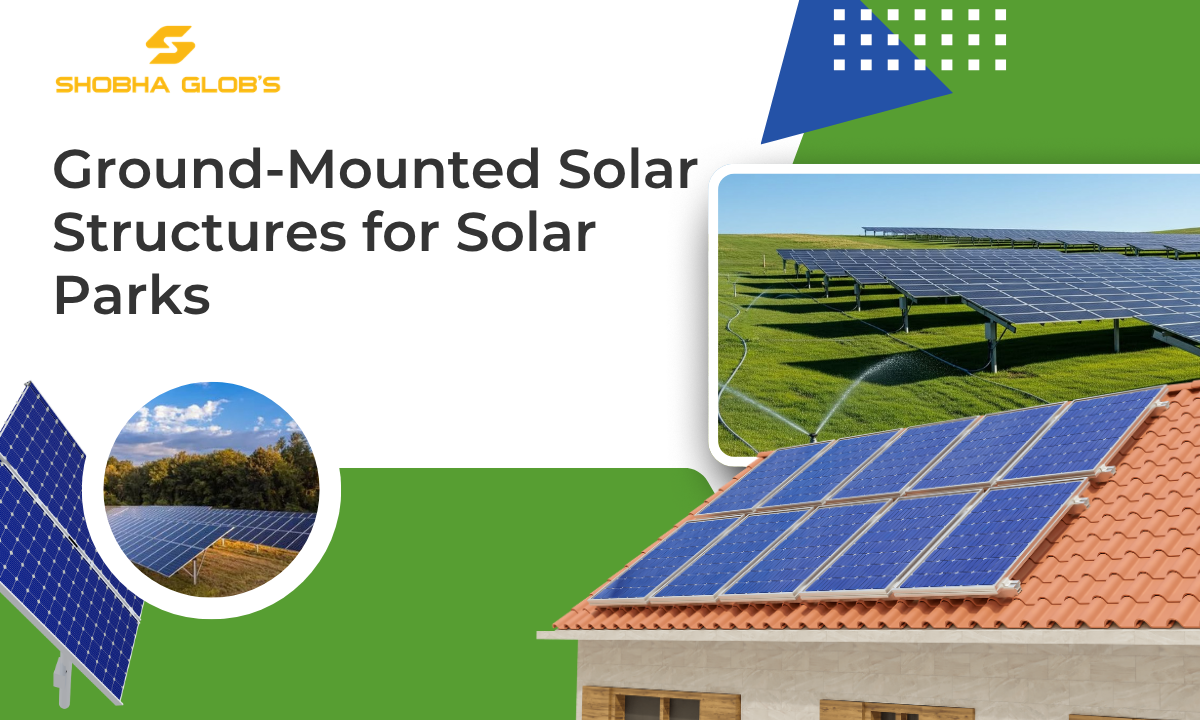
Ground-mounted solar structures are specially designed frameworks used to install solar panels directly on open land instead of rooftops. These systems are widely used in solar parks, industrial solar plants, agricultural projects, and utility-scale renewable energy installations.
Unlike rooftop systems, ground-mounted installations provide greater flexibility in panel placement and allow developers to optimize energy generation on a larger scale.
A properly engineered solar structure helps maintain panel stability under varying environmental conditions such as wind, rainfall, heat, and soil movement.
Ground-mounted systems are commonly manufactured using galvanized steel or other corrosion-resistant materials to ensure long-term durability.
Importance of Solar Structures in Solar Parks
Solar mounting systems are one of the most important components of a solar park because they directly affect the performance and lifespan of the project.
Structural Stability
Strong mounting systems securely support solar panels and protect them from environmental stress.
Better Energy Generation
Proper tilt angles and orientation improve sunlight absorption and overall power generation efficiency.
Long-Term Durability
High-quality structures have been designed to withstand harsh outdoor conditions for decades.
Easy Maintenance
Ground-mounted systems provide better accessibility for cleaning, servicing, and inspections.
Scalability
Solar parks often require future expansion, and ground-mounted systems provide flexibility for additional capacity installation.
A reliable solar structure is essential for ensuring efficient performance and long-term operational success in large solar parks.
Types of Ground-Mounted Solar Structures
Different types of ground-mounted systems are used depending on project requirements, land conditions, and energy goals.
Fixed Tilt Structures
These systems maintain solar panels at a fixed angle for stable energy generation.
Seasonal Tilt Structures
The tilt angle can be adjusted periodically to improve sunlight exposure during different seasons.
Solar Tracking Systems
Tracking systems automatically follow the movement of the sun to increase energy production efficiency.
Pole-Mounted Structures
These structures use vertical poles for supporting smaller or specialized solar installations.
Each type of structure is selected based on project scale, environmental conditions, and budget considerations.
Benefits of Ground-Mounted Solar Systems
Higher Energy Efficiency
Ground-mounted systems allow optimized panel positioning for maximum sunlight exposure.
Large-Scale Power Generation
Solar parks can generate substantial amounts of electricity for utility and industrial applications.
Better Airflow and Cooling
Panels installed on open land often experience better airflow, which can improve performance efficiency.
Easier Inspection and Cleaning
Ground-level access simplifies maintenance and operational management.
Flexible Land Utilization
Unused land areas can be converted into productive renewable energy assets.
Key Factors in Designing Solar Park Structures
Several factors must be considered while designing and installing ground-mounted systems.
Soil and Land Conditions
Proper soil analysis is important for selecting suitable foundation designs.
Wind Load and Weather Conditions
Structures must be engineered to withstand high wind speeds and environmental exposure.
Material Quality
Using durable and corrosion-resistant materials improves long-term structural reliability.
Panel Orientation
Correct alignment helps maximize energy generation throughout the year.
Future Expansion Requirements
Design planning should support future scalability and additional solar capacity.
A well-designed solar structure significantly improves the safety, performance, and lifespan of solar park projects.
Role of Solar Parks in India’s Renewable Energy Growth
Solar parks are playing a major role in helping India achieve its renewable energy goals.
Several factors are driving the growth of solar parks:
- Increasing electricity demand
- Government renewable energy targets
- Industrial clean energy adoption
- Utility-scale solar investments
- PM KUSUM and solar infrastructure initiatives
- Rising awareness about sustainable energy solutions
Ground-mounted solar parks help reduce dependence on conventional fossil fuels while supporting cleaner and more sustainable electricity generation.
Challenges in Ground-Mounted Solar Projects
Although ground-mounted solar parks offer many benefits, they also involve certain challenges.
Land Availability
Large-scale solar parks require significant open land areas.
Initial Infrastructure Investment
Project development includes structural, civil, and installation costs.
Environmental Exposure
Outdoor systems must withstand changing weather conditions and long-term environmental stress.
Maintenance Management
Regular inspection and cleaning are necessary for efficient operation.
Despite these challenges, long-term financial and environmental benefits often outweigh initial investment.
Future of Ground-Mounted Solar Infrastructure
The future of ground-mounted solar infrastructure in India looks highly promising.
Future advancements may include:
- Smart solar tracking technologies
- Lightweight high-strength materials
- Faster installation techniques
- Improved corrosion-resistant coatings
- AI-based monitoring systems
- Advanced structural engineering solutions
As renewable energy investments continue increasing, solar parks and utility-scale projects are expected to expand rapidly across India.
Ground-mounted solar systems will remain an important part of the country’s transition toward sustainable and energy-efficient infrastructure.
Conclusion
Ground-mounted solar structures are an essential part of modern solar parks and large-scale renewable energy projects. These systems provide the strength, stability, and flexibility required for efficient long-term solar power generation.
From improving energy efficiency to supporting utility-scale electricity production, ground-mounted systems play a major role in expanding renewable energy infrastructure across India.
As solar park development continues growing, the demand for durable, high-performance mounting systems will also increase significantly. Investing in quality ground-mounted solar infrastructure helps ensure better operational reliability, long-term energy generation, and sustainable growth for the renewable energy sector.
FAQs
Q: Whatareground-mounted solar structures?
Ground-mounted solar structures are frameworks used to install solar panels directly on open land for large-scale energy generation.
Q:Why are ground-mounted systems used in solar parks?
They provide scalability, better energy generation efficiency, and easier maintenance for utility-scale projects.
Q: Which materials are commonly used in solar structures?
Galvanized Iron/steel and corrosion-resistant metals are commonly used for durability and long-term performance.
Q: What are the advantages of ground-mounted solar systems?
They offer higher scalability, better airflow, easier maintenance, and optimized solar panel positioning.
Q: Aresolar tracking systems used in solar parks?
Yes, many large solar parks use tracking systems to improve sunlight absorption and increase energy production.
Q: What factors affect solar structure design?
Factors include soil conditions, wind load, environmental exposure, project scale, and future expansion requirements.
Q: Do ground-mounted systems require regular maintenance?
Yes, periodic cleaning, inspections, and servicing help maintain system efficiency and long-term performance.
Q: What is the future of solar parks in India?
With increasing renewable energy demand and government support, solar parks are expected to grow rapidly in the coming years.